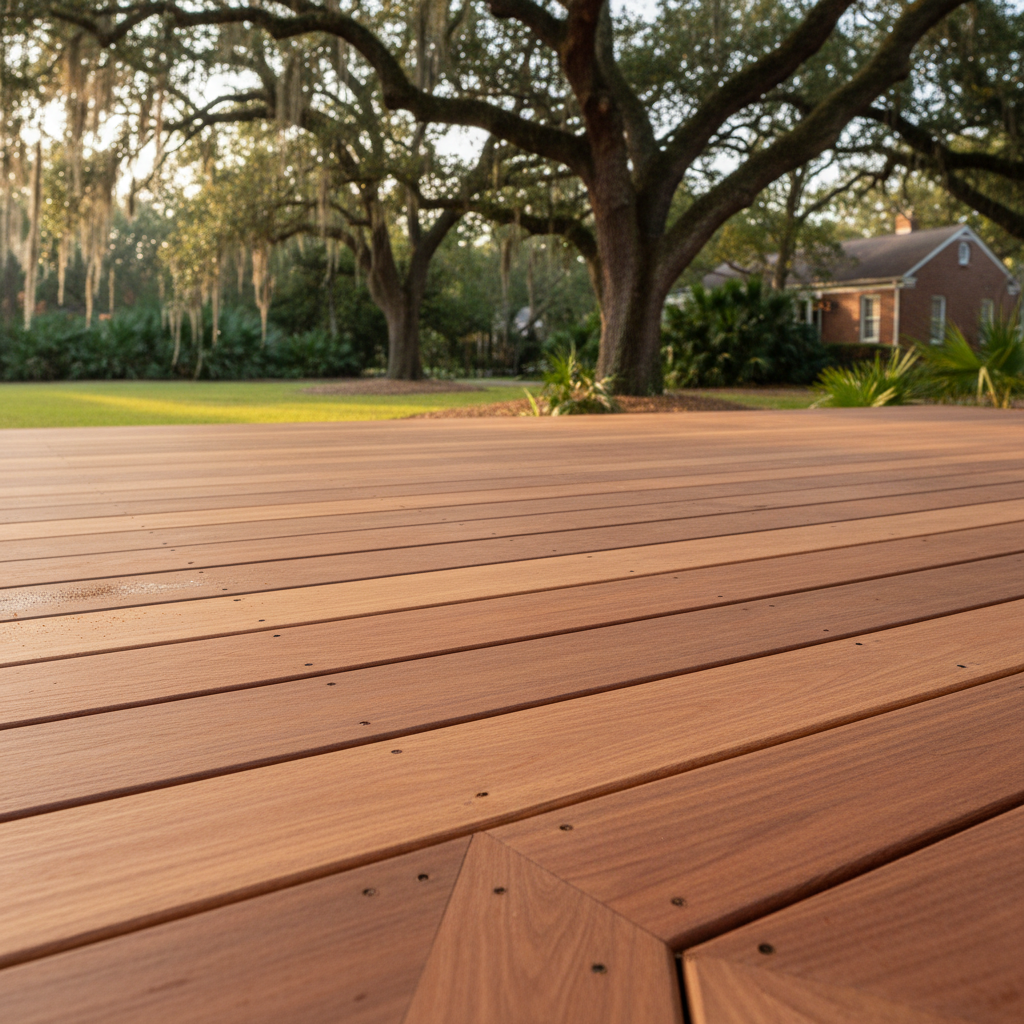
Thinking About a New Deck? Here's the Deal.
So, you're dreaming of a new wooden deck for your Savannah home. Maybe you want a spot to enjoy those breezy evenings, or a place for the kids to play without tracking mud inside. Good idea. A well-built deck adds a ton of value and enjoyment to your property. But before you start sketching out plans or buying lumber, there are a few things you really need to consider.
First off, what's your budget? Be realistic. Wood decks aren't cheap, and cutting corners usually costs you more in the long run. Think about the size, the height, and the type of wood. Pressure-treated pine is common around here because it's affordable and stands up to our humidity pretty well, but it needs regular maintenance. Cedar or redwood look fantastic but they're pricier and can be harder to source locally. Then you've got hardwoods like ipe or tigerwood – beautiful, super durable, but you'll pay for it. I've seen folks try to skimp on materials and end up with a sagging, splintered mess in just a few years, especially with our intense sun and the constant moisture from the river. It's just not worth it.
Next, permits. Don't skip this. Building without a permit in Chatham County is asking for trouble. You'll likely have to tear it down or pay hefty fines. The city wants to make sure your deck is safe and up to code. This usually involves submitting plans, getting inspections, and making sure your deck is properly anchored and structurally sound. This isn't a DIY step; you need to follow the rules. If you're working with a reputable contractor like us at Heritage Deck Solutions, we'll handle all the permitting paperwork for you. It's part of the service.
Finally, consider your yard. Is it flat? Sloped? What about drainage? You don't want water pooling under your deck, inviting rot and bugs. Also, think about sun exposure. A west-facing deck in July without shade? You'll melt. Maybe you need a pergola or a partial roof incorporated into the design. These are all things to hash out before any wood gets cut.
During Construction: DIY or Pro?
Alright, plans are approved, materials are ordered. Now for the build. This is where a lot of homeowners get a little overconfident. Look, I'm all for DIY. There are plenty of projects around the house you can tackle with a little elbow grease and YouTube. Building a deck, though? That's a different beast.
Here's what you can realistically do yourself:
- Demolition: If you're replacing an old deck, tearing down the old one is usually pretty straightforward. Just be careful with nails and make sure to dispose of the waste properly.
- Staining/Painting: Once the deck is built, applying stain or paint is definitely a DIY job. It's tedious, but not technically complex.
- Basic Landscaping Around It: Planting shrubs or laying pavers around the perimeter? Go for it.
Now, here's when you absolutely, positively need to call a professional:
- Footings and Framing: This is the skeleton of your deck. If the footings aren't deep enough or properly spaced, or if the framing isn't square, level, and securely fastened, your deck will fail. Our soil here can be tricky, sometimes sandy, sometimes clay, and getting those footings right is critical for stability and longevity. This isn't a place for guesswork.
- Attaching to the House: The ledger board, which connects the deck to your house, has to be installed perfectly to prevent water intrusion and ensure structural integrity. Mess this up, and you're looking at rot in your house's rim joist. Big, expensive problem.
- Stairs and Railings: These are safety components. Building stairs that are comfortable and up to code, and railings that can withstand a good lean, requires precision and knowledge of building codes. You don't want someone falling because a railing was flimsy.
- Complex Designs: If you're thinking multi-level, curved, or anything beyond a simple rectangle, a pro will save you headaches and ensure it's built right.
Honestly, unless you have significant carpentry experience and all the right tools, I'd strongly recommend hiring a professional for the main construction. It's an investment in safety and peace of mind.
After the Build: Keeping Your Deck Looking Good
So, your beautiful new deck is finished. Now what? Maintenance, my friend. This is crucial, especially in Savannah's climate. Our hot, humid summers and occasional heavy rains can really take a toll on wood.
- Cleaning: You'll want to clean your deck at least once a year, maybe twice. A good scrub with a deck cleaner (follow the instructions!) and a stiff brush will remove dirt, mildew, and algae. You can use a pressure washer, but be careful. Too much pressure can damage the wood fibers, leaving ugly marks and making it more susceptible to rot. Keep the nozzle moving and don't get too close.
- Staining/Sealing: This is your deck's sunscreen and raincoat. Most pressure-treated pine decks need to be stained or sealed every 1-3 years, depending on the product you use and how much sun your deck gets. A good quality stain will protect the wood from UV rays and moisture, preventing it from graying, cracking, and rotting. Don't wait until the wood looks dry and faded; by then, some damage has already started.
- Inspections: Take a walk around your deck a couple of times a year. Look for loose nails or screws, wobbly railings, splintered boards, or signs of rot. Pay special attention to areas where wood meets the ground or where water tends to collect. Catching small problems early can prevent them from becoming big, expensive ones.
- Keep it Clear: Don't let leaves, pine needles, or potted plants sit on the deck for extended periods. They trap moisture, which encourages mildew and rot. Move your planters around periodically to let the wood breathe.
Doing these things will extend the life of your deck significantly. It's a small amount of effort for a big return on your investment. If you ever have questions about maintenance or notice something that looks off, don't hesitate to give us a call at Heritage Deck Solutions. We're always happy to offer advice or come out for an inspection. We want you to enjoy your deck for years to come.