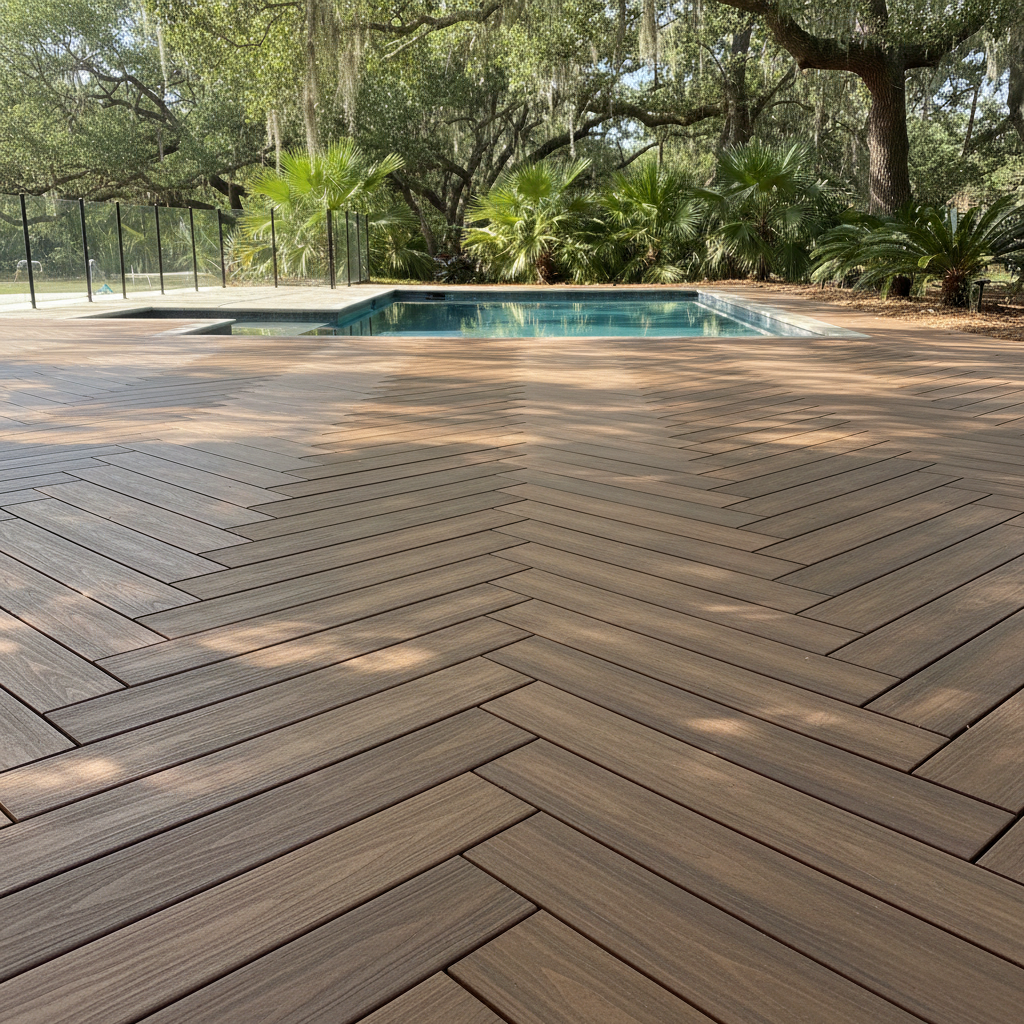
What's the best material for a pool deck in Savannah's climate?
Look, there's no single 'best' material for everyone, but for Savannah's heat and humidity, you've got a few strong contenders. Concrete pavers are super popular, and for good reason. They're durable, come in tons of colors and patterns, and they don't get as scorching hot as some solid concrete slabs can. Plus, if one gets damaged, you can replace just that paver instead of tearing up a whole section. Travertine is another excellent choice; it stays remarkably cool underfoot, which is a huge bonus when the summer sun's beating down. It's a natural stone, so it looks high-end, but it does need sealing to protect it from our moisture and mildew. Then there's composite decking. It's low maintenance, splinter-free, and many brands offer good slip resistance. The downside? Some composites can get pretty hot, so if you're going that route, you'll want to pick a lighter color or one specifically designed for cooler temperatures. I've seen folks try wood, but honestly, it's a constant battle against rot, mildew, and termites here. If you go wood, you'll be staining and sealing it every year or two, no question.
How do I make sure my pool deck isn't a slip-and-slide hazard?
This is a big one, especially with kids running around. The key is texture. Smooth surfaces are beautiful, but they're a recipe for disaster when wet. If you're going with concrete, ask about a broom finish or an exposed aggregate finish. These create a naturally rougher surface. For pavers or natural stone like travertine, many options already have a slightly textured surface. If you're looking at composite decking, make sure it's rated for slip resistance, especially when wet. Some of the smoother, shinier composites might look great, but they can get slick. You can also get sealants that add a bit of grit to the surface, which helps a lot. Don't cheap out on this; a nasty fall can ruin a summer.
What kind of drainage do I need around my pool deck?
Proper drainage isn't just about keeping water off your deck; it's about protecting your pool's foundation and your home's foundation. In Savannah, with our heavy rains and sometimes high water table (especially closer to the marsh or in neighborhoods like the Landings), this is critical. You want the deck to slope slightly away from the pool and any structures, usually about a quarter-inch per foot. We often install channel drains or French drains around the perimeter, especially in areas where water might collect. If your yard slopes towards your house, we'll need to get creative to divert that water. You don't want standing water next to your pool or your house, ever. It's an open invitation for mosquitoes, foundation issues, and mold.
How often will I need to clean and maintain my pool deck?
This really depends on the material you choose and how much tree cover you have. If you've got a lot of oaks or pines shedding leaves and pollen, you'll be cleaning more often. Generally, I tell folks to plan on a good pressure washing at least once a year, maybe twice if you're in a shady, damp spot. For concrete pavers or natural stone, a mild cleaner and a pressure washer (on a lower setting for natural stone) usually do the trick. If you have a sealed surface, you'll need to re-seal it every few years, depending on the product and wear. Composite decks are pretty low maintenance; usually, a good scrub with soap and water is all they need. The biggest thing here in Savannah is fighting mildew and algae. Our humidity is a perfect breeding ground for that stuff, so staying on top of it with regular cleaning prevents it from becoming a major headache.
Can I add features like built-in seating or a fire pit to my pool deck?
Absolutely, and I highly recommend it! Adding built-in seating, planters, or even a fire pit can really transform your pool area into an outdoor living space. For seating, we can integrate low walls that double as benches, often faced with the same material as your deck for a seamless look. Fire pits are super popular, but they need careful planning. You've got to make sure it's far enough away from any structures, overhanging trees, and the pool itself for safety. We also need to consider the type of fuel — natural gas, propane, or wood-burning — and ensure proper ventilation and material clearances. These kinds of features aren't just about aesthetics; they make your pool deck more functional and enjoyable, extending its use beyond just swimming.
What's the typical timeline for a pool deck installation?
This isn't a weekend project, that's for sure. The timeline can vary a lot depending on the size of your deck, the materials you choose, and whether we're doing any major grading or drainage work. Once we've got the design finalized and permits approved (which can take a few weeks on its own), the actual construction usually runs anywhere from two to four weeks. If we're doing extensive landscaping, adding complex features, or dealing with unexpected soil conditions, it could stretch longer. Good communication is key here. I'll always give you a clear schedule upfront, and we'll keep you updated if anything changes. You don't want to rush this kind of project; quality work takes time, especially when you're building something that needs to stand up to our coastal weather for years.
Do I need a permit for a new pool deck in Savannah?
Short answer: yes, almost always. Any structural addition to your property, especially around a pool, is going to require permits from the City of Savannah or Chatham County, depending on your exact location. This isn't just bureaucracy; it's about making sure the deck is built to code, is safe, and won't cause problems down the line. The permitting process involves submitting plans, getting them reviewed, and having inspections at various stages of construction. As Heritage Deck Solutions, we handle all that paperwork for you. It's part of our job to make sure everything is done by the book so you don't have any headaches later on. Trying to skip permits is a bad idea; it can lead to fines, forced demolition, and issues when you try to sell your home.
```