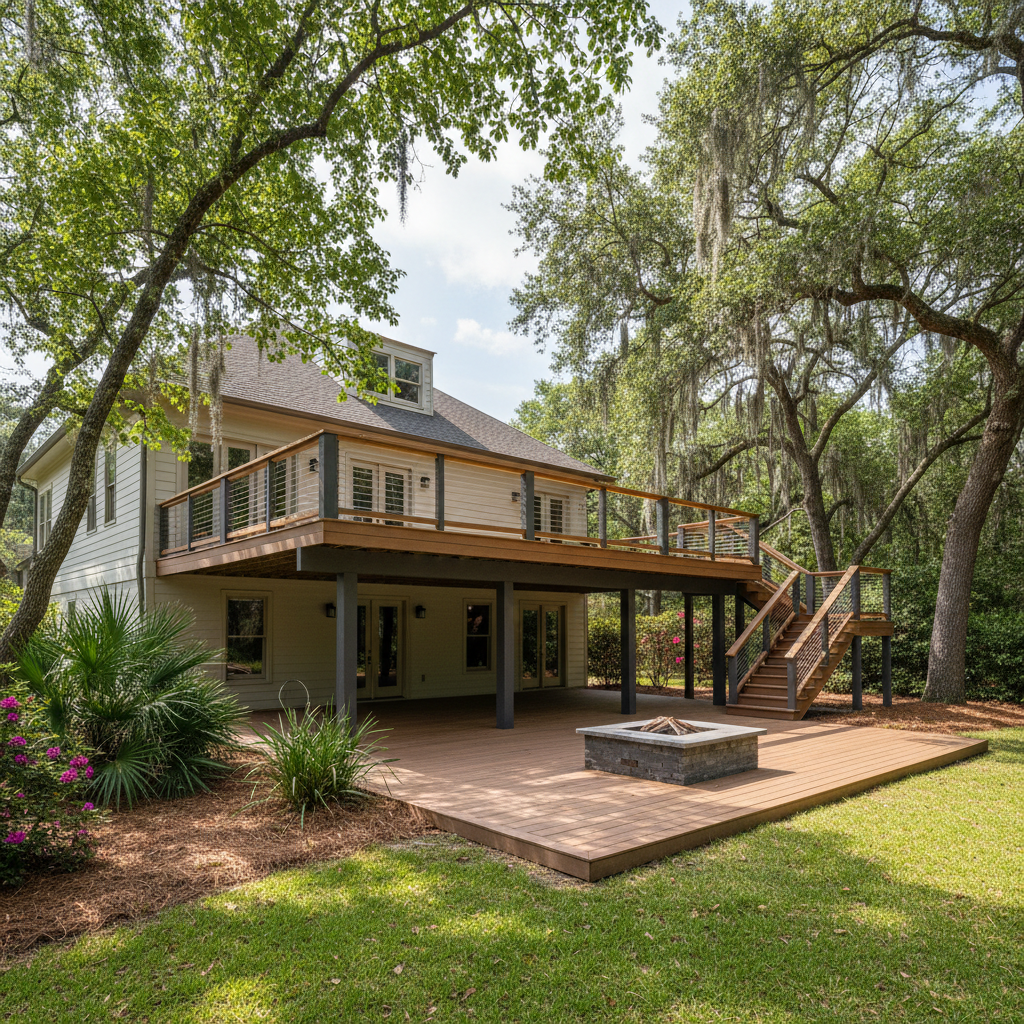
So, you're looking at a metal deck for your Savannah home. Good choice. They're tough, they look sharp, and they can really stand up to what our coastal weather throws at them, especially compared to some of the wood options out there. But 'tough' doesn't mean 'invincible,' and our local climate definitely has its quirks when it comes to installation and long-term care. I've been doing this for a while, and I've seen what works and what doesn't.
When's the Best Time to Build a Metal Deck in Savannah?
Honestly, timing is a bigger deal here than folks realize. You can't just pick any week on the calendar for a big metal deck project. For us, the sweet spot for installing a metal deck is usually late fall through early spring. Think October to about April. Why then?
Humidity is Lower: This is a big one. High humidity, which we get a ton of in the summer, can mess with coatings, sealants, and even how some materials react during installation. Lower humidity means a cleaner, more reliable build.
Temperatures are Milder: Working with metal in 95-degree heat with 90% humidity isn't just brutal for the crew; it can affect the materials. Extreme heat can cause expansion that's tricky to manage during installation, and it can make some adhesives or sealants cure too fast or unevenly. Milder temps mean everything sets up just right.
Less Rain: While we can get rain any time, our summer thunderstorms are legendary. You don't want to be halfway through a deck build and get hit with daily downpours. It slows everything down, can introduce moisture where it shouldn't be, and just complicates the whole process. Winter and early spring tend to be drier.
Now, can we build in the summer? Sure, we can, but you've got to be prepared for potential delays due to weather, and sometimes we have to adjust our methods to account for the heat and humidity. It's just not as ideal.
Weather Conditions That Can Halt Work
Even in the 'ideal' season, Savannah weather can be fickle. Here's what makes us pack up for the day:
Heavy Rain: Obvious, right? But it's not just about getting wet. Rain makes surfaces slippery, which is a safety hazard, and it can compromise fresh welds, sealants, or any painting/coating work we might be doing. If the ground's too saturated, it can also make moving heavy materials around a muddy nightmare.
High Winds: We're close to the coast, so strong winds are a real concern. Handling large, flat pieces of metal in high winds is dangerous. They can act like sails, become uncontrollable, and cause injury or damage. We won't risk it.
Extreme Cold (Rare, but it happens): While not common here, if temperatures drop too low, some sealants and coatings won't cure properly. It can also make metal brittle, which isn't what you want when you're cutting or shaping it.
Lightning: If there's lightning in the area, we're off the deck. Period. Working with metal during an electrical storm is just asking for trouble.
We always keep an eye on the forecast, and if it looks like any of these are coming, we'll communicate with you about scheduling adjustments. Safety and quality always come first.
Protecting Your Metal Deck Investment Year-Round
Once your beautiful new metal deck is installed, you'll want to keep it looking great and performing well for decades. Here's how:
Regular Cleaning: This is probably the easiest thing you can do. Our salty air, pollen, and general Savannah grime can build up. A simple wash with mild soap and water, followed by a good rinse, will do wonders. Don't use harsh abrasives or chemicals; they can damage the finish.
Check for Debris: Especially if you've got trees nearby. Leaves, pine needles, and other organic matter can trap moisture and cause staining or even corrosion over time if left to sit. Make sure water can drain freely.
Inspect Fasteners and Connections: Give your deck a once-over a couple of times a year. Look for any loose screws, bolts, or connections. Our humidity and temperature swings can cause materials to expand and contract, sometimes loosening things up. Tighten anything that feels wobbly.
Watch for Rust or Corrosion: Modern metal decks, especially aluminum or galvanized steel, are highly resistant to rust. But scratches or dings that expose the raw metal can be vulnerable. If you see any signs of rust, address it quickly. Clean the area, lightly sand if needed, and apply a touch-up paint or sealant recommended by the manufacturer. This is particularly important for homes near the marsh or the river, where the salt content in the air is higher.
Clear Drainages: If your deck has integrated drainage or scuppers, make sure they're clear of obstructions. Blocked drainage can lead to standing water, which is never good for any deck material.
A little proactive maintenance goes a long way. You've invested in a durable, attractive addition to your home, and with some care, it'll serve you well for many, many years. If you've got questions about your metal deck or you're thinking about getting one, give Heritage Deck Solutions a call. We're always happy to talk through your options and make sure you get exactly what you need for our unique Savannah environment.