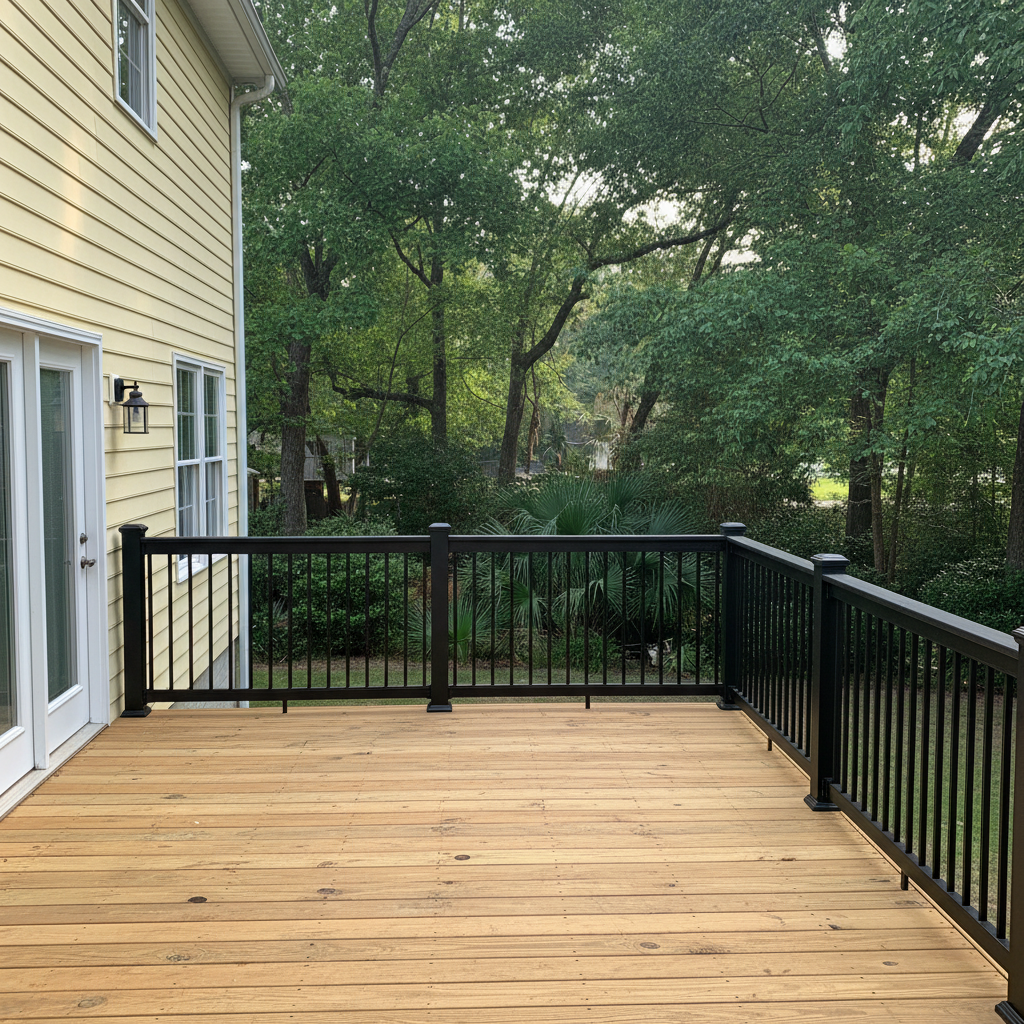
You're probably thinking about new deck railings, right? Maybe you're finally upgrading that old wooden setup, or perhaps you're just adding the finishing touches to a brand-new deck. Whatever your reason, knowing the best time to get the job done and how to keep those railings looking good year-round in our Savannah climate is super important. Believe me, I've seen countless projects over the years, and I can tell you: good timing and consistent care really do make all the difference.
Best Times for Railing Installation in Savannah
Let's talk about the ideal windows for getting those railings installed. You might think any time works, but our weather here in Savannah definitely has its own agenda.
- Fall (October - November): This is probably my top recommendation. The brutal summer heat has usually backed off by then, and the humidity starts to drop. We're talking comfortable working temperatures, which means my crew can work efficiently, and materials behave much better. Plus, your deck will be all set to enjoy during the cooler, pleasant months ahead.
- Spring (March - May): Another solid option. Before the real heat and those daily thunderstorms kick in, spring gives us mild temperatures and generally drier conditions. Just keep an eye out for those early summer pop-up showers; they can definitely slow things down or make for a messy worksite.
- Winter (December - February): It's certainly doable, but it's not exactly ideal. While we don't get harsh winters like folks up north, we do experience those cold, damp snaps. Working with some materials, especially certain adhesives or sealants, can get tricky in lower temperatures. And honestly, who wants to be out there in a chilly drizzle? If you're really pushing for it, we can make it happen, but it might just take a bit longer.
- Summer (June - September): Honestly, if you can avoid this season, do it. The heat and humidity are just brutal. It's not only uncomfortable for the crew; it can also affect how materials cure or set properly. And then there are those afternoon thunderstorms – they can completely halt work, sometimes for days if the ground gets too saturated. If you've got a really tight deadline, we'll certainly work through it, but please expect potential delays because of the weather.
Weather Conditions That Impact the Work
It's not just about the season; specific weather conditions really play a big role in how smoothly a railing installation goes. And trust me, we've seen it all.
- Rain: This is the big one, no question. We simply can't install railings in heavy rain. It's a safety hazard for our crew, and it can compromise the integrity of the installation, especially if we're dealing with wood, fasteners, or any kind of sealant that needs to stay completely dry during application. A light drizzle? Maybe. A downpour? We're rescheduling.
- High Humidity: Our Savannah humidity is legendary, and it's not always our friend on a job site. For some composite or PVC railings, extreme humidity can affect how certain components fit together or how adhesives dry. For wood railings, it might mean the wood absorbs moisture, potentially leading to swelling or issues with finishes down the road.
- Extreme Heat: Working with metal railings in direct summer sun can be a real challenge. Those materials get scorching hot, you know? It's also just plain exhausting for the crew, which can slow down progress and increase the risk of mistakes.
- Wind: While less common, really high winds can make installing tall or long railing sections difficult and unsafe. It's not usually a deal-breaker, but it's definitely something we keep an eye on.
Protecting Your Railing Investment Year-Round
Once those beautiful new railings are up, you want them to stay that way, right? Our coastal climate here in Savannah, with its salt air and relentless humidity, can be tough on outdoor structures. Here's what I always tell my clients:
- Regular Cleaning: This is probably the easiest step, and it's often overlooked. Just a simple wash with mild soap and water a few times a year will do wonders. It gets rid of dirt, pollen, and any salt residue that can build up, especially if you're closer to the marsh or river. For composite or vinyl railings, this is usually all you'll need.
- Inspect Fasteners: Once a year, take a walk around your deck and check all the screws and bolts. Our temperature swings can cause materials to expand and contract, sometimes loosening fasteners. Just tighten anything that feels a bit wobbly.
- Check for Damage: Look for any signs of wear, cracks, or loose components. Catching small issues early can prevent them from becoming big, expensive problems. This is especially true for wood railings, where splinters or rot can start if they're not maintained.
- For Wood Railings: If you've got wood, you'll need to stay on top of sealing or staining. Our sun and humidity are brutal on wood, absolutely brutal. I usually recommend re-sealing every 1-3 years, depending on the product and how much exposure it gets. Don't let it go too long, or you'll be looking at sanding and a much bigger job.
- For Metal Railings (Aluminum, Steel): While often low-maintenance, keep an eye out for any scratches or chips in the powder coating. These can expose the metal to moisture and lead to rust, especially with steel. Touch-up kits are usually available from the manufacturer.
Look, your deck railings aren't just there for safety; they're a huge part of your home's curb appeal and your outdoor living space. Taking a little time to plan the installation and then giving them some regular TLC will ensure they last for years. If you're thinking about a railing project or have questions about what's best for your Savannah home, don't hesitate to reach out to us at Heritage Deck Solutions. We're always here to help you make the right choices for our unique environment.