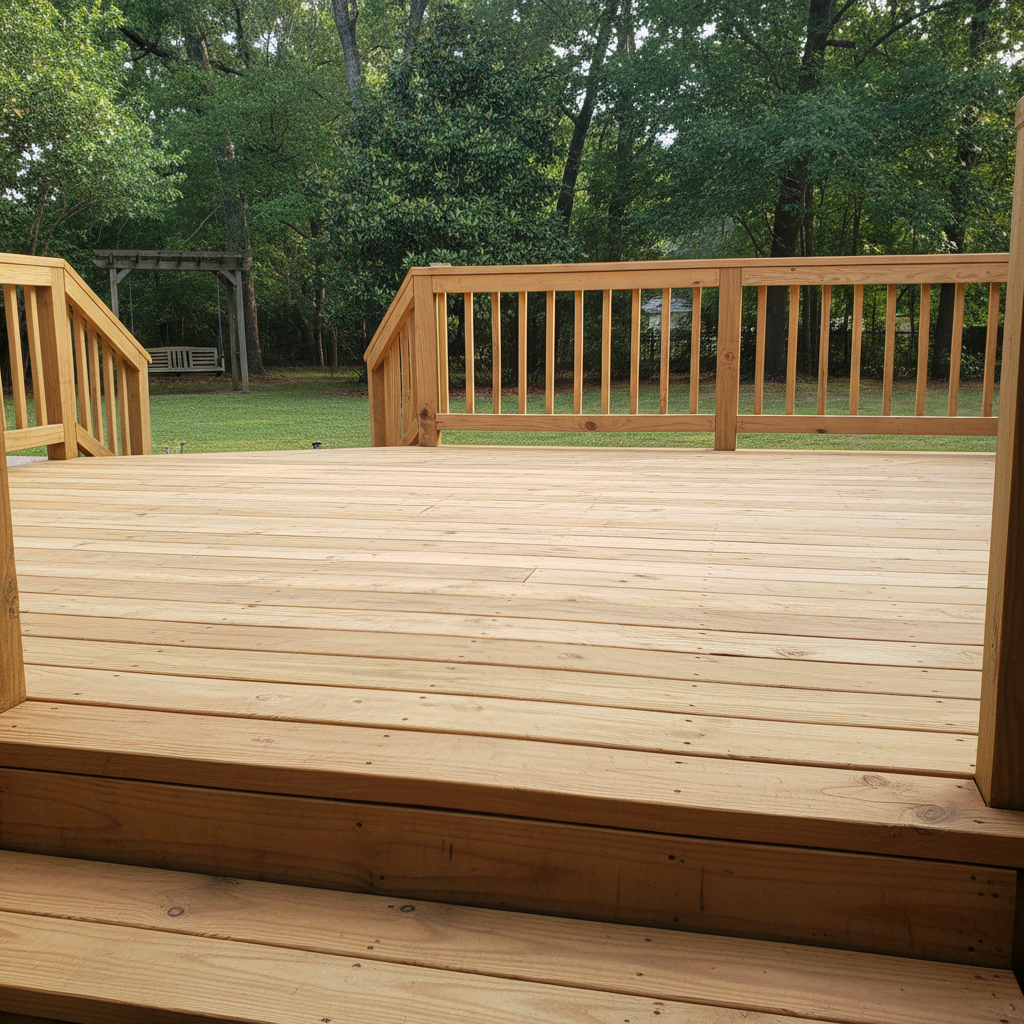
So, you've got a deck. Maybe I even built it for you – that's fantastic! But here's the thing: a deck isn't a "set it and forget it" kind of deal, especially not here in Savannah. Our climate, with its intense humidity, heat, and those sudden downpours, really puts outdoor structures to the test. You want that deck to last, right? Well, it takes a little work, but it's totally worth it to protect your investment.
Making Your Deck Last Longer After We Build It
The biggest factor in getting years, even decades, out of your deck is choosing the right materials and getting a proper installation from the start. I always hammer this home at Heritage Deck Solutions. But once it's built, your next job is to shield it from the elements. For wood decks, that means a good quality stain or sealant. You're not just making it look pretty, you know; you're actually creating a barrier against moisture and UV rays. Here in coastal Georgia, moisture is truly the enemy. It leads to rot, mildew, and eventually, structural failure. Reapplying that sealant every 2-3 years for most wood types is absolutely crucial. You might even need to do it more often on surfaces that get direct, all-day sun or are near a pool.
Composite decks are a different story. They're designed to be low-maintenance, which is why so many folks love them. But "low-maintenance" doesn't mean "no-maintenance." You still need to keep them clean. Dirt, pollen, and organic debris can pile up, especially in those little grooves, and that can lead to mildew and staining. We see a lot of this in shady areas or under trees, like those beautiful live oaks dripping Spanish moss all over Ardsley Park.
Regular Maintenance: Your Deck's Best Friend
Think of it like taking care of your car – a little regular attention prevents big problems down the road. Here's what I tell my clients:
- Clean it regularly: At least twice a year, give your deck a good scrub. For wood, a deck cleaner made for your specific finish works wonders. For composite, a simple mix of mild soap and water, or a specialized composite cleaner, usually does the trick. Use a soft-bristle brush, by the way, not a pressure washer on full blast; that can really damage the surface.
- Keep it clear: Don't let leaves, pine needles, or other debris pile up. They trap moisture and create a perfect breeding ground for mold and mildew. Sweep or blow it off regularly, especially after a storm.
- Check your drainage: Make sure water isn't pooling on or around your deck. If your gutters are overflowing onto the deck, fix 'em. If the ground around the deck isn't sloped away properly, that's a problem you'll want to address.
- Trim back foliage: Keep shrubs and trees from growing directly against or over your deck. Good air circulation is key to keeping things dry and preventing rot.
- Inspect fasteners: Over time, screws and nails can work themselves loose. Give them a quick check and tighten or replace any that are popping up.
Warning Signs: What to Look For
You don't need to be a deck builder to spot trouble. Just pay attention to your deck. Here are some red flags:
- Soft spots or spongy areas: If you walk across your deck and feel a soft spot, or if the wood feels spongy when you press on it, that's a major sign of rot. Don't ignore it.
- Cracks or splinters: Small cracks are normal, but large, deep cracks or excessive splintering can indicate the wood is drying out too much or is structurally compromised.
- Loose railings or wobbly posts: This is a safety issue, plain and simple. If your railings feel loose when you lean on them, or if support posts are visibly wobbly, get it checked out immediately.
- Discoloration or fungal growth: Dark spots, green or black stains that won't wash off, or actual mushroom-like growths are all signs of moisture damage and decay.
- Pest damage: Look for small holes, sawdust-like material (frass), or tunnels. Termites love damp wood, and unfortunately, we've got plenty of that here in Savannah.
- Fading or peeling finish: For wood decks, if your stain or sealant is looking dull, faded, or starting to peel, it's not just an aesthetic problem; it means the protection is gone, and your wood is exposed.
When to Call a Professional
Look, I'm all for DIY, but some things are just better left to the pros. If you spot any of those serious warning signs – soft spots, significant rot, wobbly structural components, or widespread pest damage – don't try to patch it up yourself. Deck repair isn't just about making it look good; it's about structural integrity and safety. You definitely don't want your deck to fail when you've got a cookout going on.
If you're unsure about how bad the damage is, or if you're not comfortable tackling a repair that involves replacing joists or posts, that's when you call someone like me. I can come out, assess the situation, and give you an honest opinion on what needs to be done. Sometimes it's a simple fix, other times it's a more involved repair, but either way, getting a professional eye on it ensures it's done right and safely. Your deck is an extension of your home, and with a little care and timely intervention, it'll provide a great outdoor space for years to come.